Portfolio

Welsh Themes

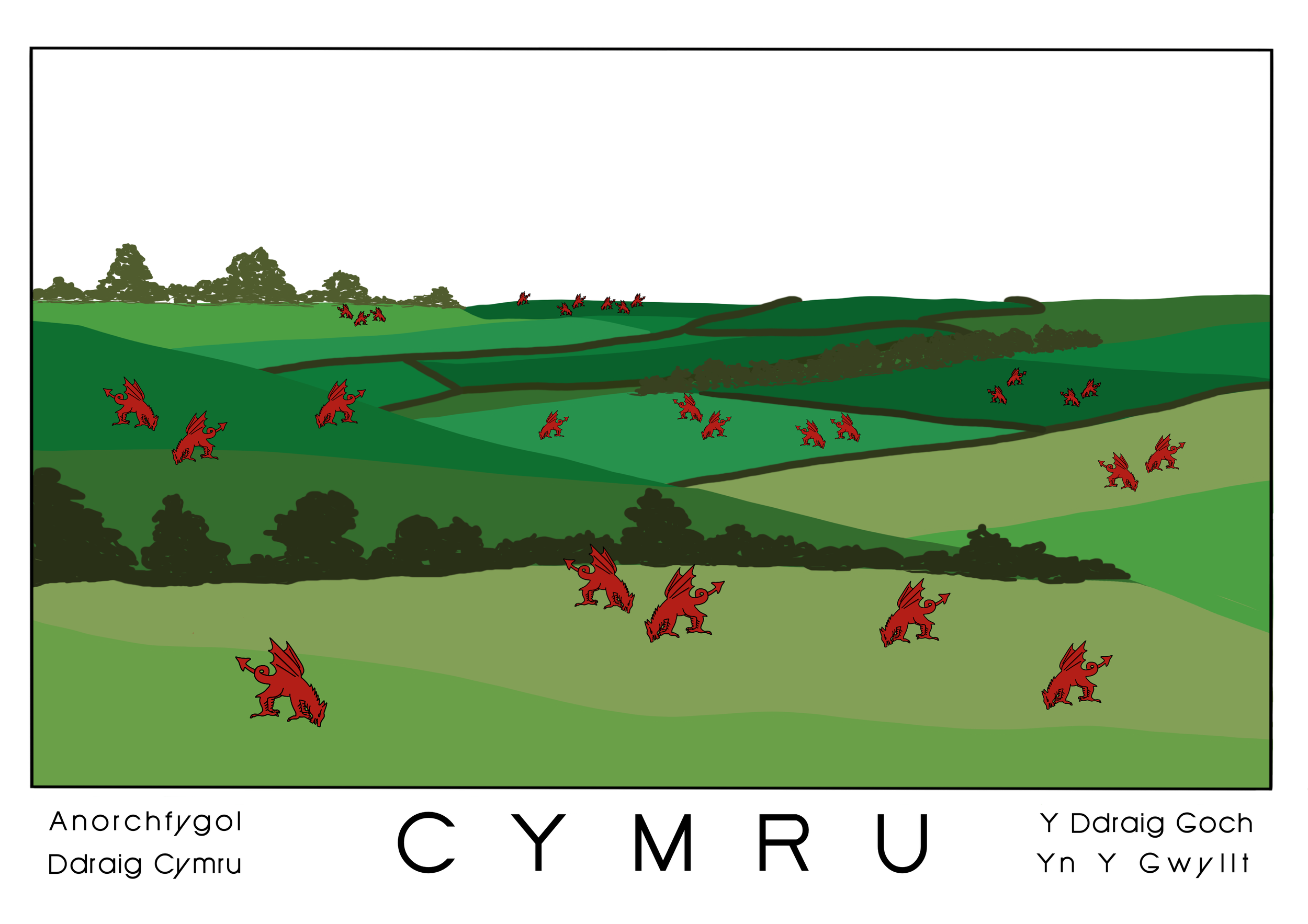
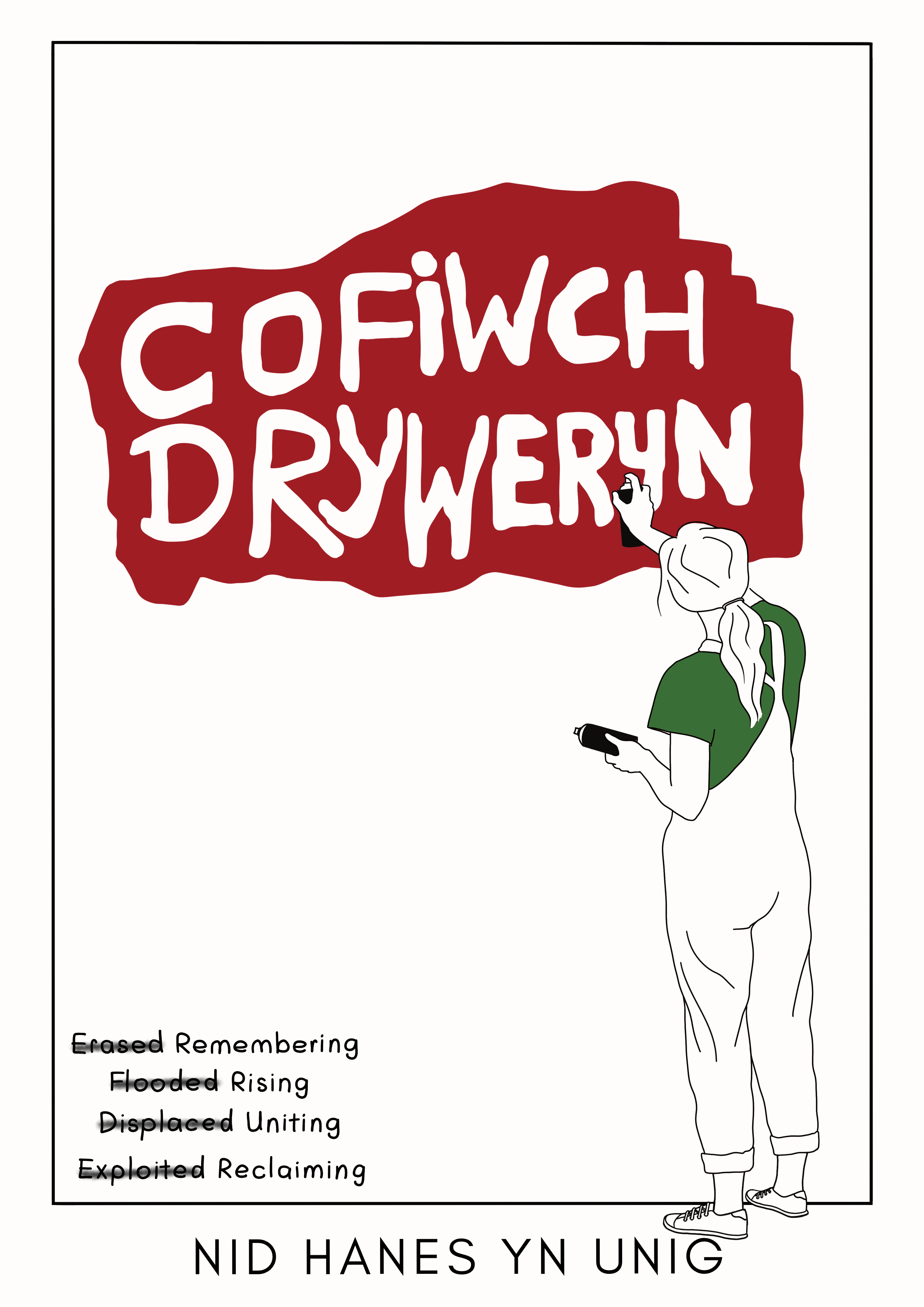
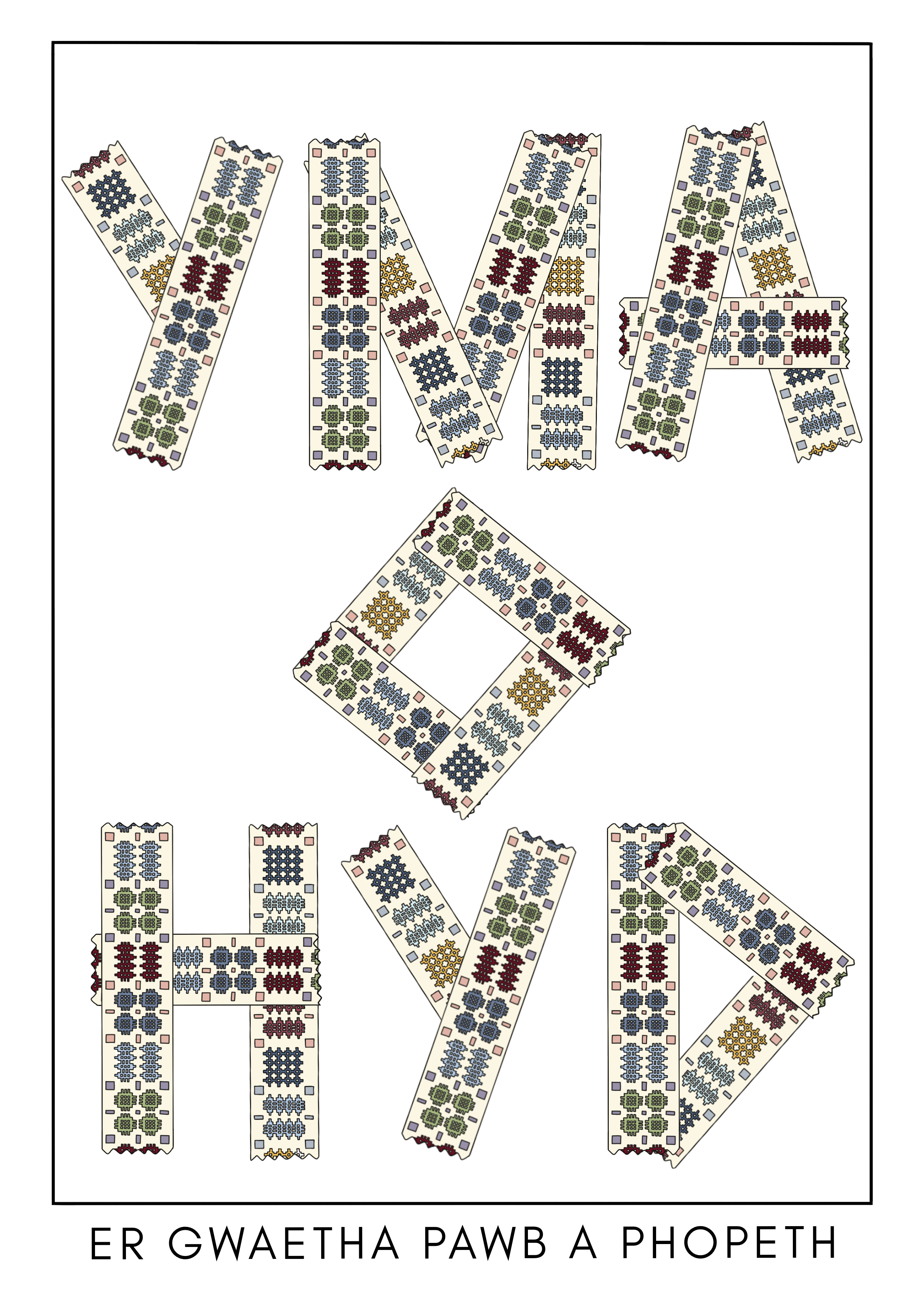
‘In 1965, despite fierce resistance, the village of Capel Celyn in the Tryweryn Valley was subsumed by 70 billion litres of water. The valley was flooded to create a reservoir intended to supply drinking water to the people of Liverpool.
‘Much of the water was later sold to private companies, who essentially profited from the displacement and destruction of land and community.’
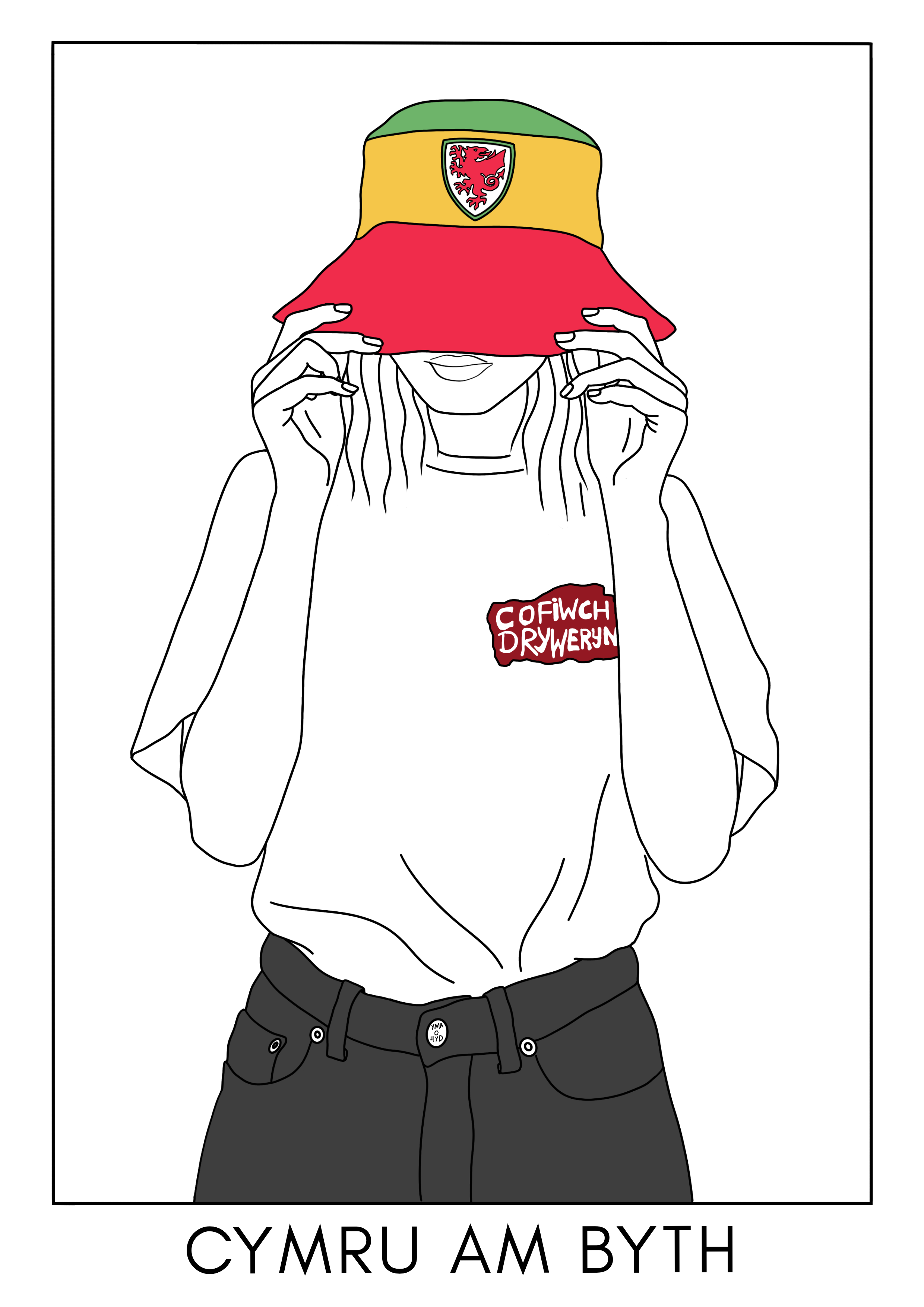
‘Whether you see yourself as more British than Welsh…..or believe Wales should be independent and would vote for it tomorrow — the fundamental truth remains: Wales has been repeatedly exploited, sidelined, and forgotten. Its resources and expertise are consistently extracted, while very little is returned.
Cofiwch Dryweryn……should light a fire within us, not just a candle of remembrance for the past.’
Feminist Themes

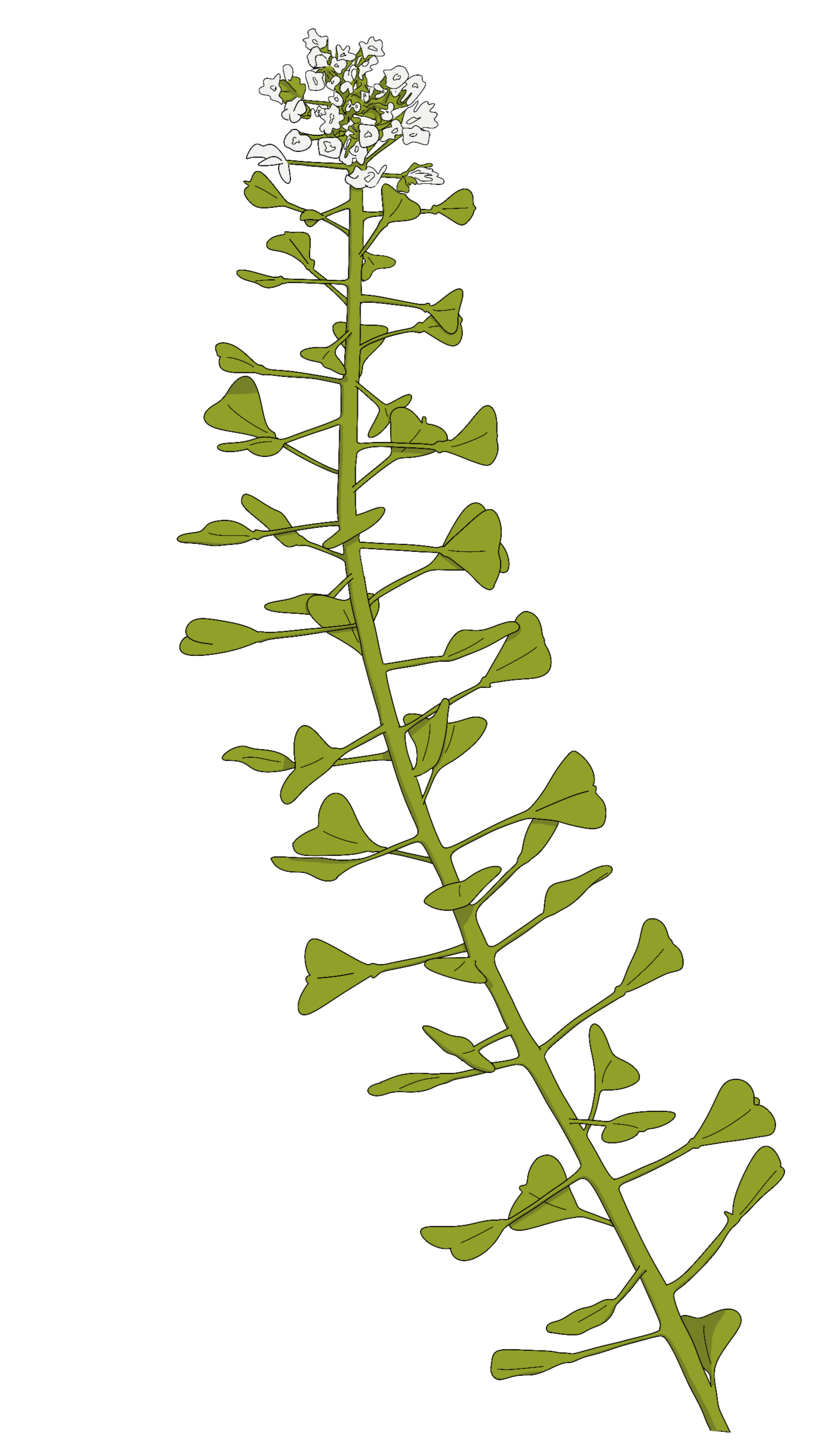
‘From roadside weeds to the rise of universities — tracing the tangled roots of women’s wisdom and resilience.’
‘There was never a consistent reason for excluding women from medicine. At first, their focus on the body and their practical, hands-on approach made them seem too earthy and impure to be taken seriously beside the Church-educated men of theory.’
‘The pattern repeats again and again: women’s knowledge devalued until men rediscover it under another name.’
‘Every time, the story is the same: the wisdom is ancient, the credit is new, and the profit flows one way.’

The Wandering Uterus
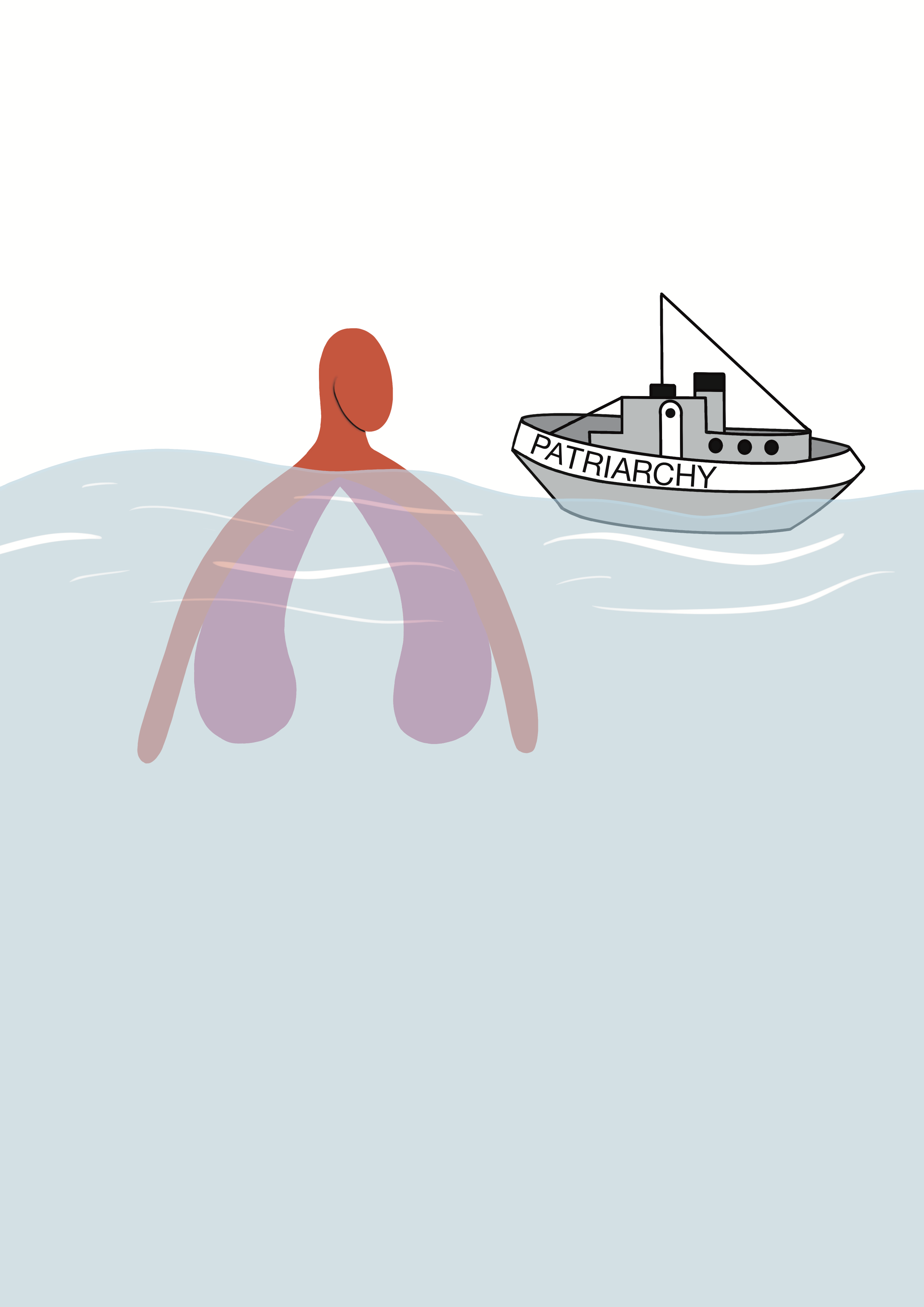
Clitberg
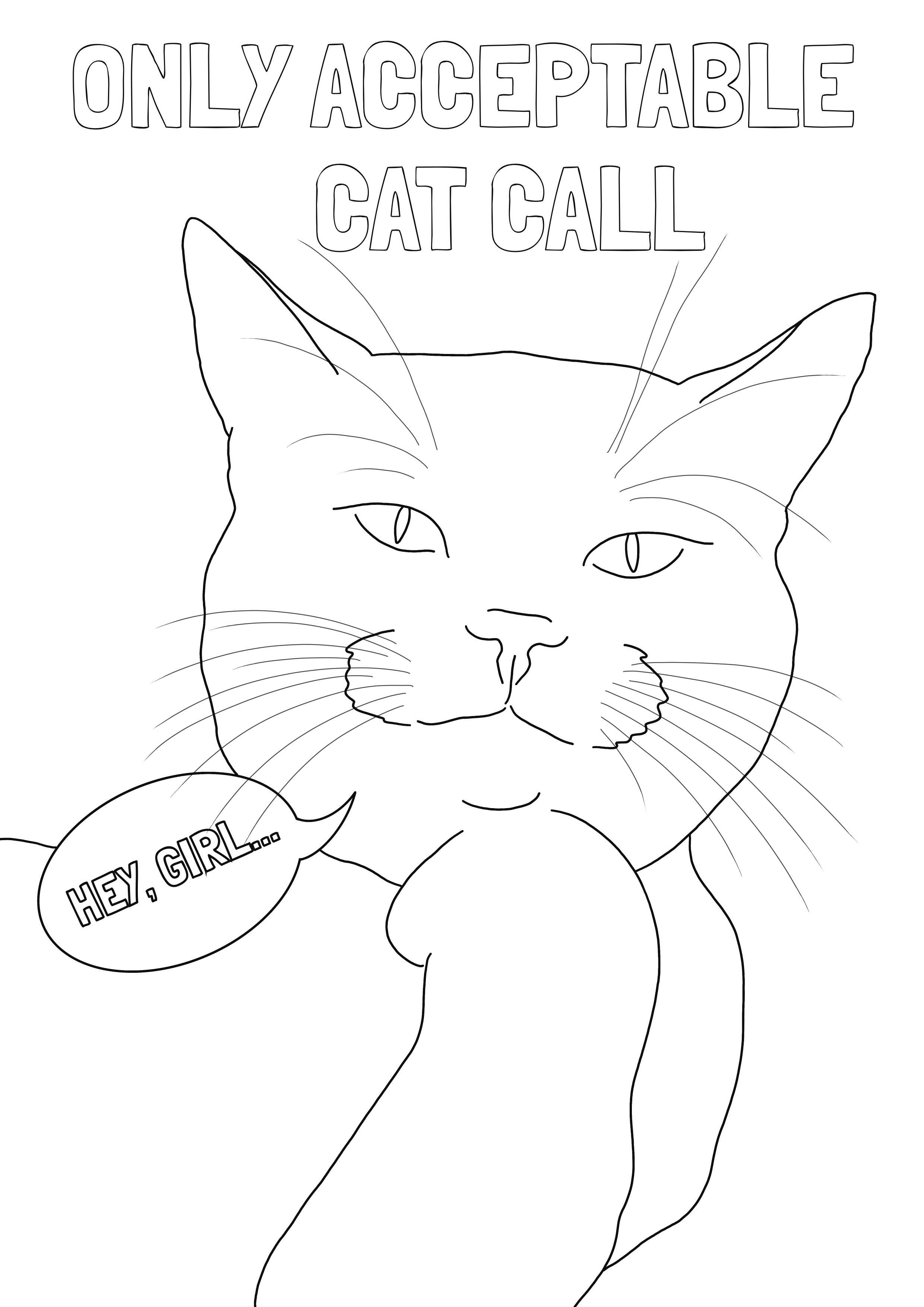

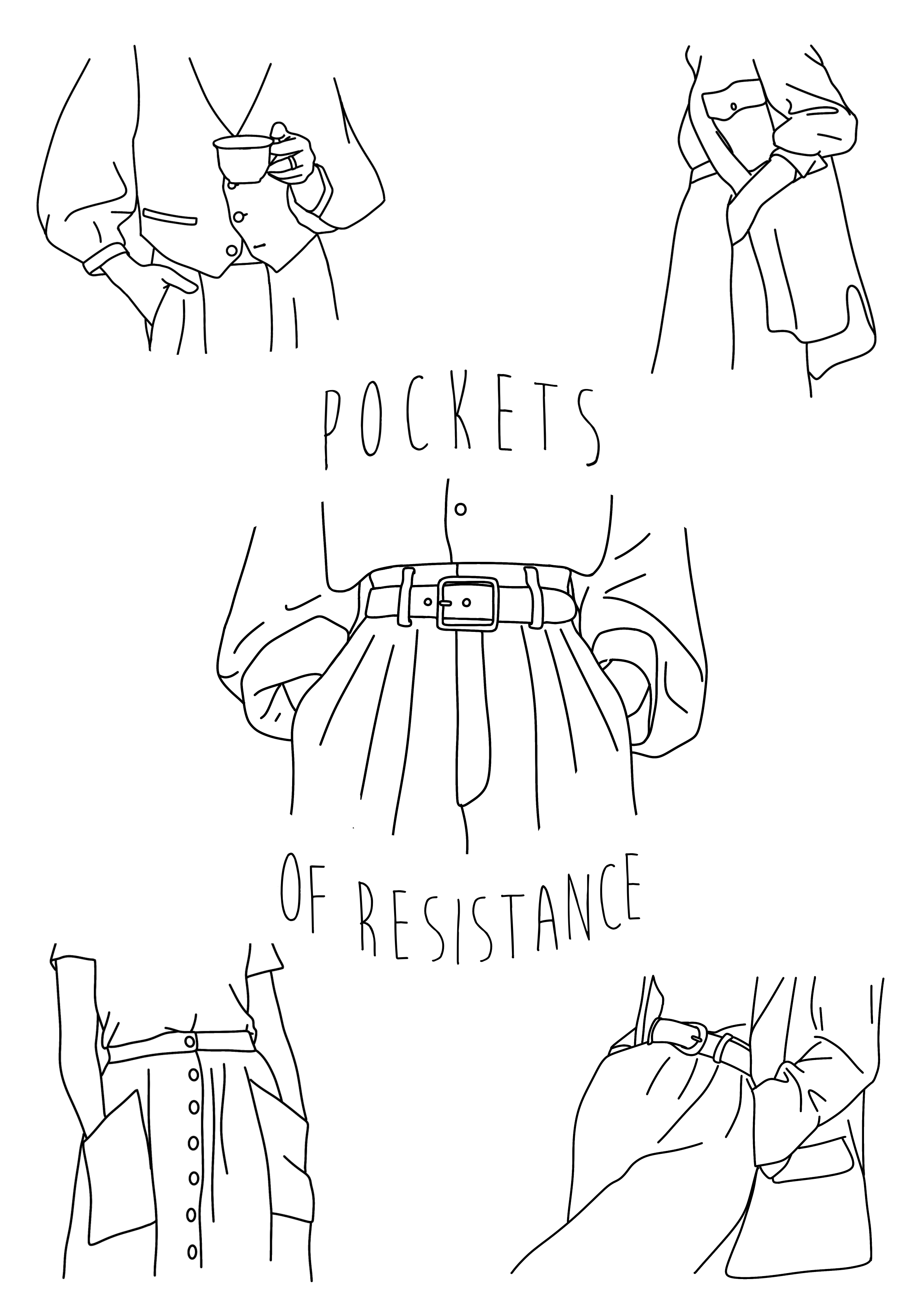
-
![]()
Response to reading Unwell Women
-
![]()
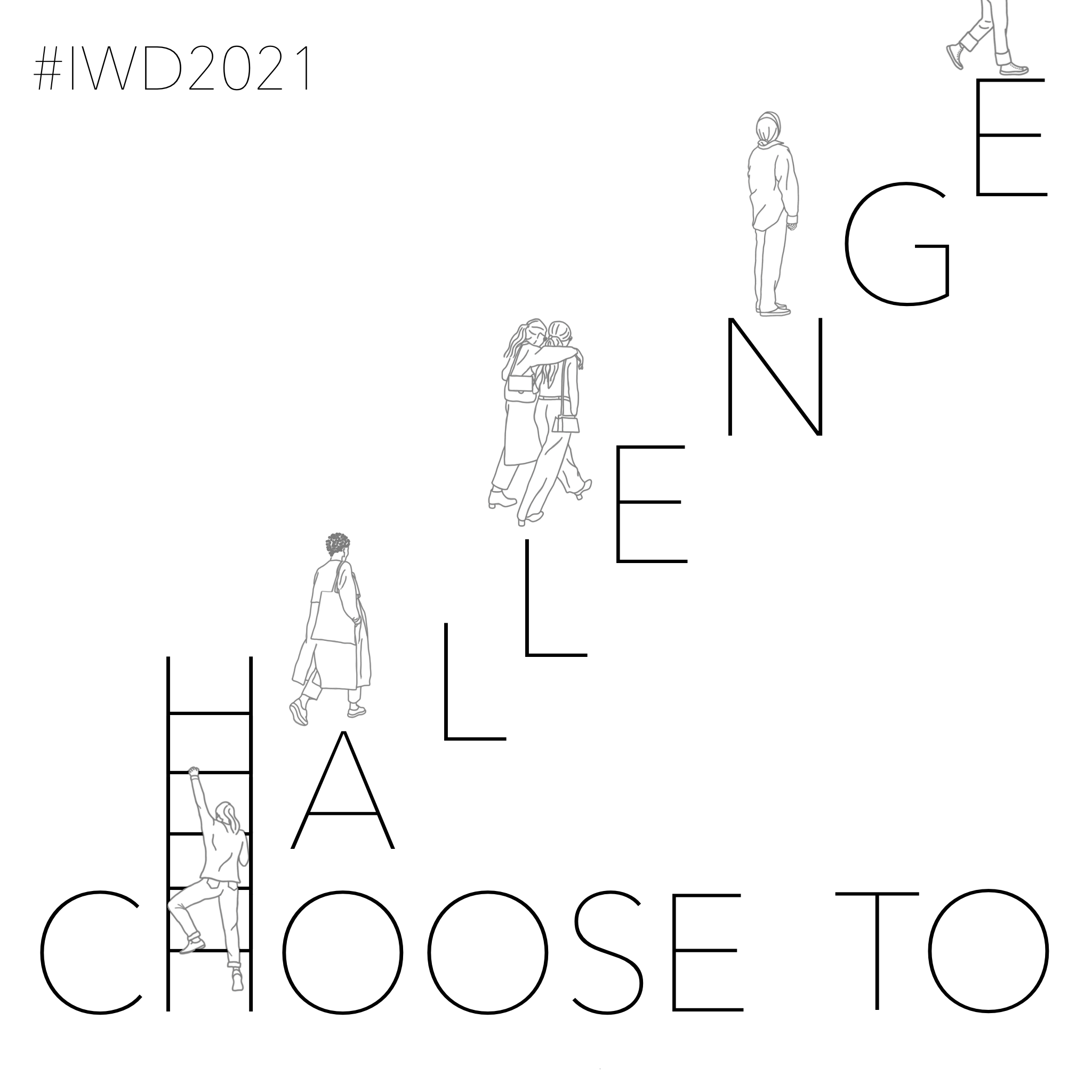
International Women’s Day 2021
-
![]()
Response to reading Invisible Women
-
![]()
Rethinking the binary
-
![]()
Women are responsible for their own safety
-
![]()
Pin badge design
-
![]()
Misdirection


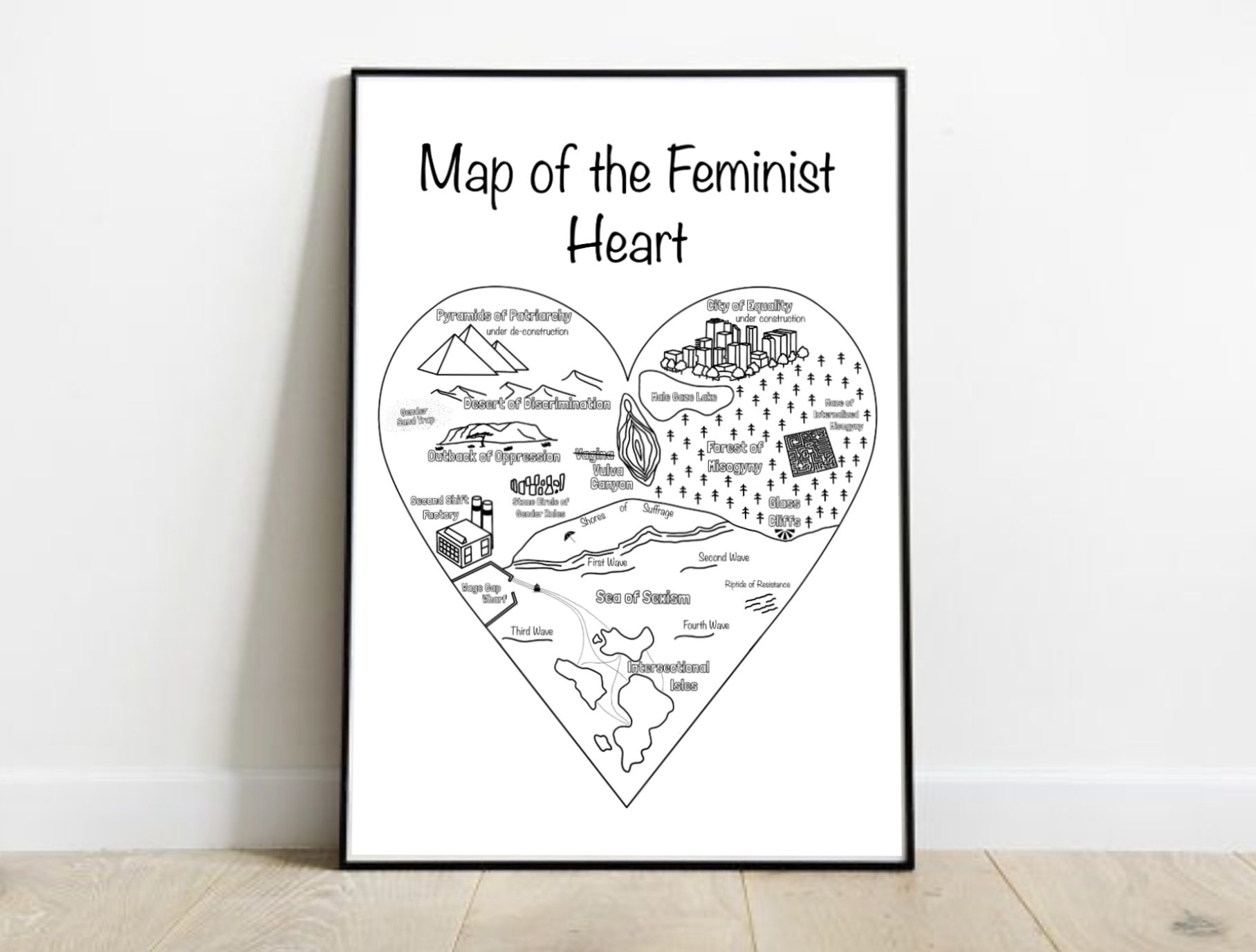
An illustrated journey through the landscape of feminism—this heart-shaped map touches on the struggles, victories, and unfinished spaces that have shaped the movement, past and present.
It was inspired by an anonymous 1840s work, A Map of the Open Country of a Woman’s Heart, which mapped a woman’s emotions as vanity, sentimentality, and fickleness.
With some dodgy puns and a little humour, Map of the Feminist Heart offers a playful but serious counter to that shallow 19th-century view of femininity.
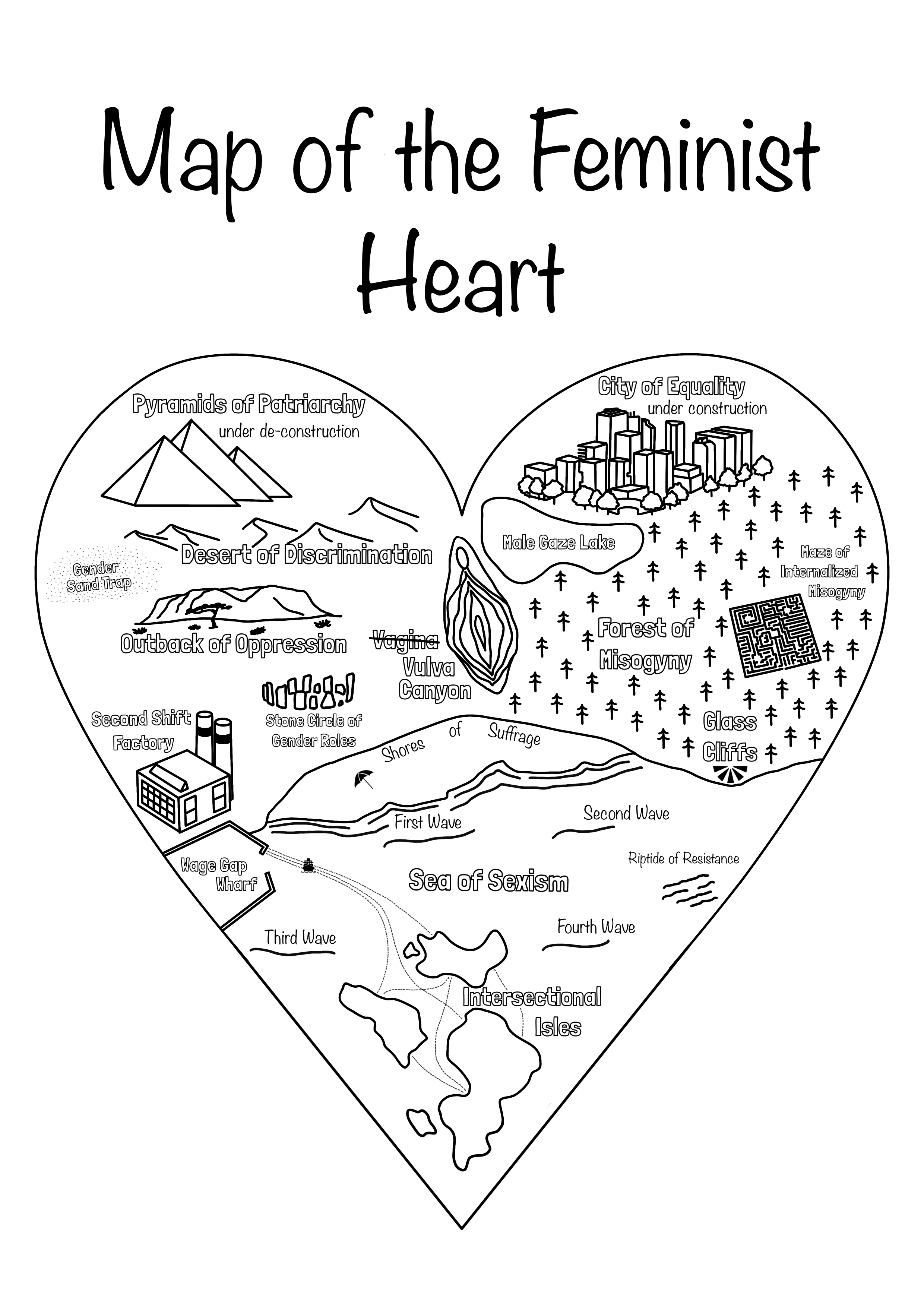
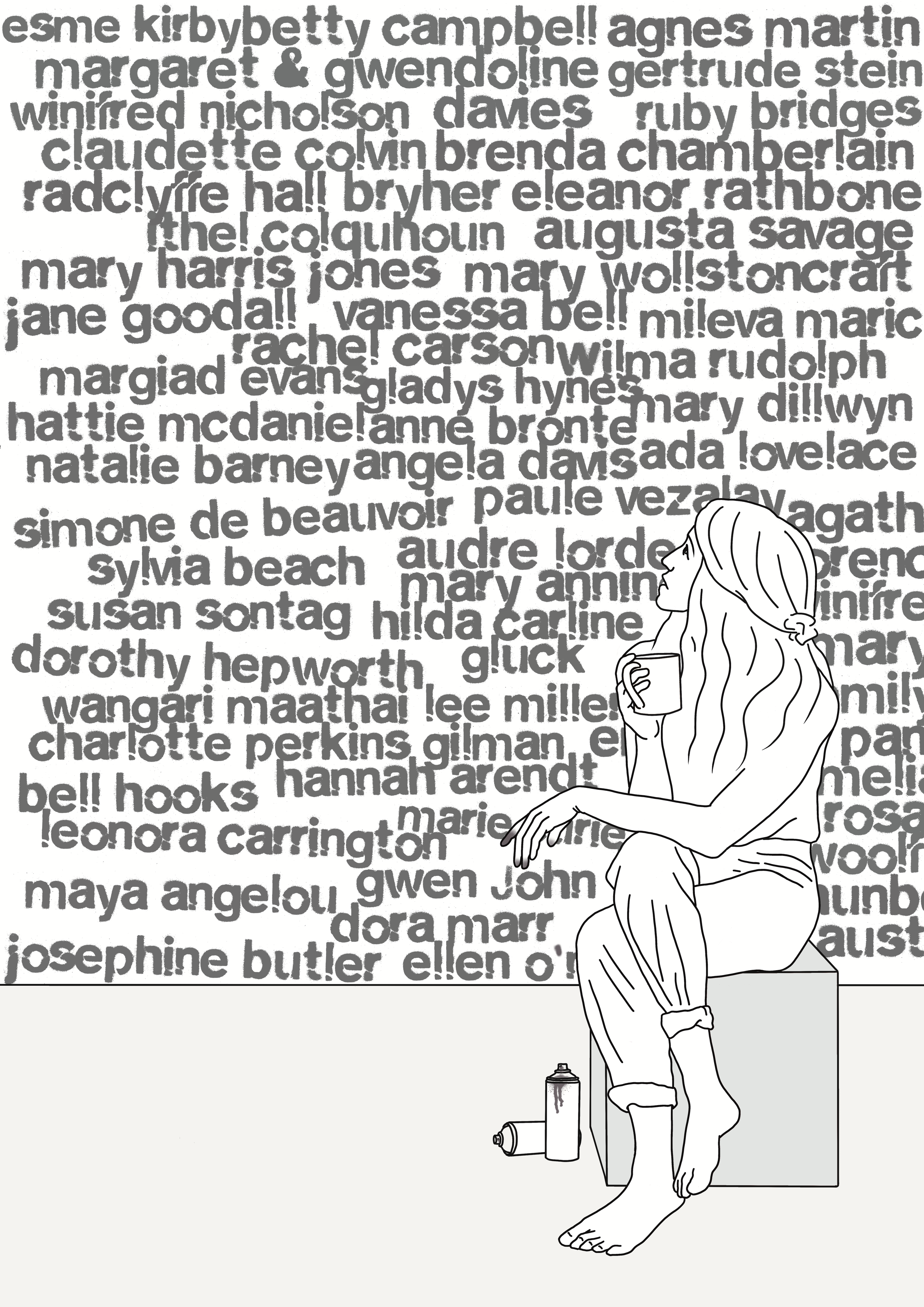
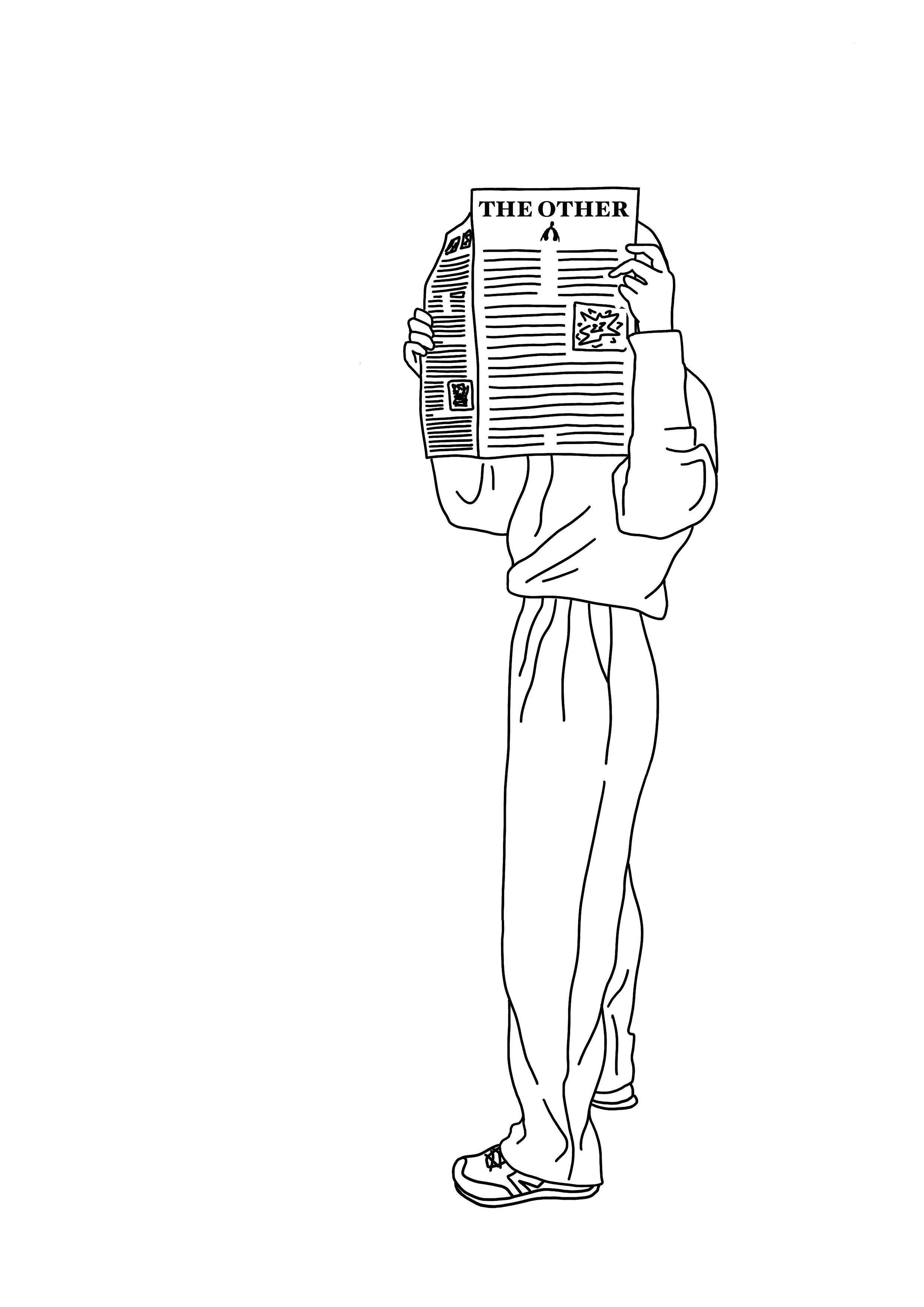
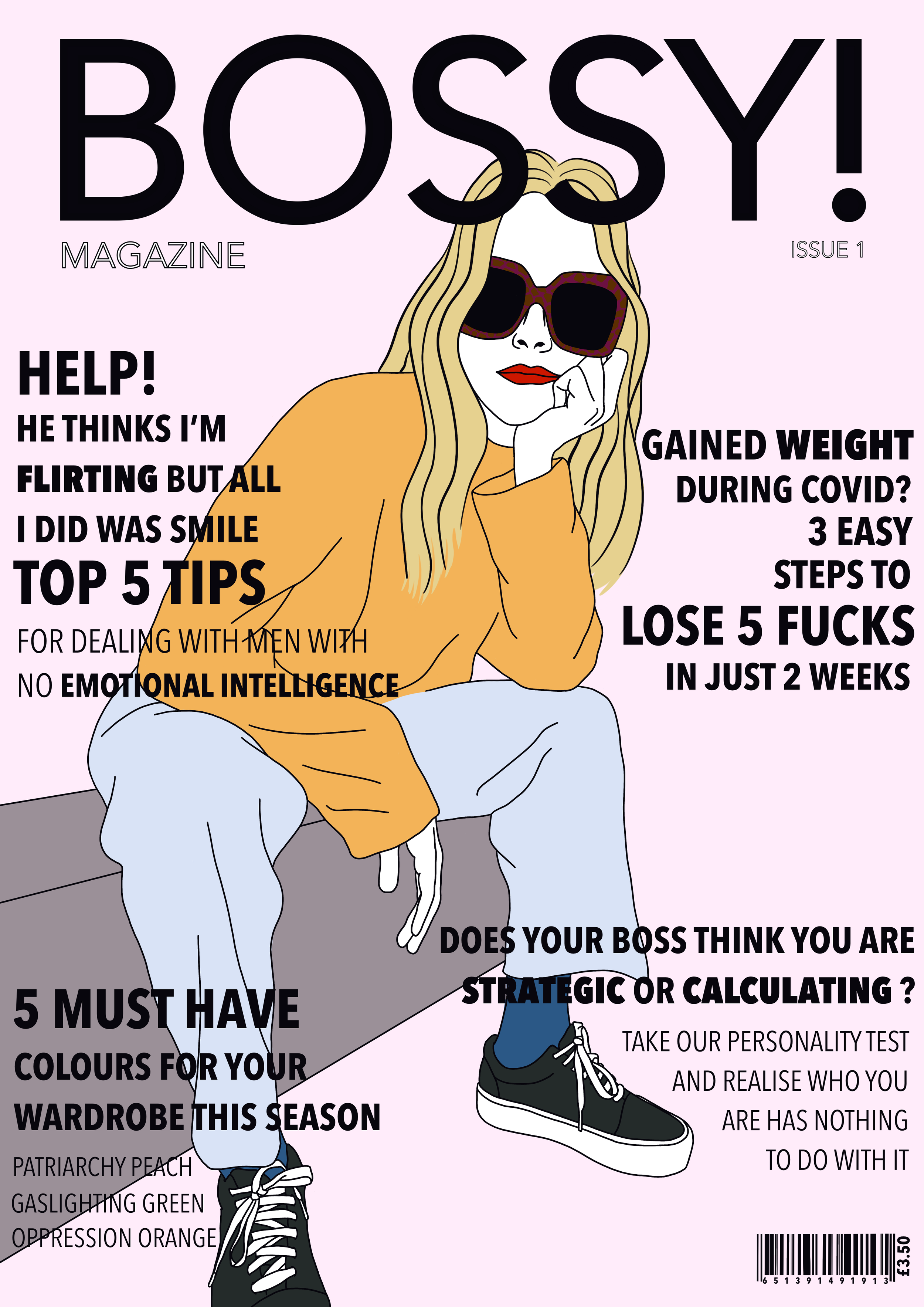
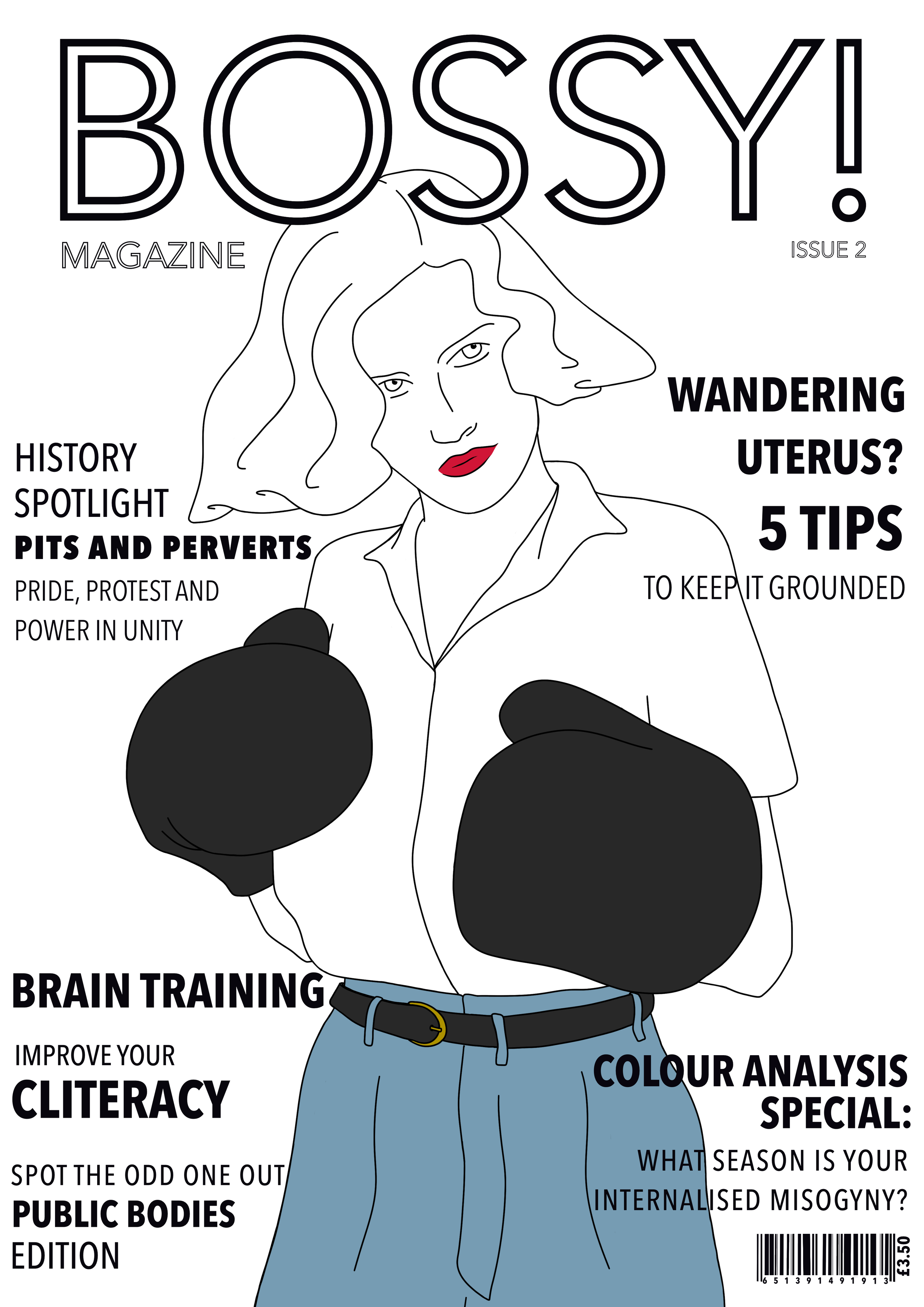
Bossy Magazine is an ongoing illustrated series that reclaims the word bossy as something bold, curious and unapologetic.
Each imagined cover acts as a monthly headline — a way of setting the tone for the drawings and writing that follow, exploring what it means to hold power with care and humour.
Playful in style but grounded in critique, Bossy uses the recognisable language of women’s magazines to question how confidence, authority and emotion are seen and sold.